Do fim da história e da decadência do serOn the End of History and the Decay of Being
Considerações acerca do que disseram caros conterrâneosReflections on what some dear fellow countrymen have said
Sexta-feira última me deparei com um texto do Daniel Macedo tratando da democracia e da ascensão do homem-massa de Ortega y Gasset ao poder. Em resumo, no texto O Fim da Ilusão Democrática: A Rebelião das Massas e a Morte do Espírito, Daniel formulou a teoria de que a democracia causa a ascensão do homem-massa como mestre indomado do mundo, e que este, então, levará a cabo a dissolução da sociedade como conhecemos em favor de uma cada vez menos afeita à virtude e mais tendente a vícios. Para Daniel, a marcha do homem-massa contra a civilização humana só pode ser detida pela ascenção de uma nova aristocracia que encarne valores superiores e resgate a sociedade de seu triste destino.
Respondendo ao texto do Daniel, Luiz Lima escreveu Uma Defesa Metafísica Da Modernidade, em que, na verdade, não encerra com uma defesa da modernidade, mas um chamado entusiástico pelo “além-modernidade” — visto que o termo “pós-modernidade” já está ocupado. Em contraponto à relação passado-aritocracia feita por Daniel, ele propõe uma ideia não muito precisa, mas esperançosa, de que o colapso da ideia de fim da história traz o ensejo para a existência de novas categorias humanas, especialmente uma em que o homem “acelerado” represente uma aristocracia turbinada pelo brilhante mundo das máquinas.
Eu compreendo que há, talvez, exceto por ênfase, pouca discordância entre os dois. Ao cabo, a nova aristocracia, compreendem ambos, deve surgir. Tudo parece girar em torno de uma questão de reacionarismo (ou tradicionalismo) contra o aceleracionismo: se a solução virá olhando o passado ou correndo para o futuro. É neste ponto que vou me inserir.
A República
Ortega y Gasset certamente pode ser creditado por ter feito a descrição mais precisa e exaustiva do homem-massa. Entretanto, a ideia de uma massa amorfa que vive de maneira individualmente indistinta é antiga. Na verdade, é nela que se baseiam as críticas mais antigas à democracia. A Apologia de Sócrates serve como ao menos uma lembrança da razão pela qual a democracia é tão criticada por quase todos os filósofos antigos: o homem anseia primeiro e fundamentalmente por pertencer. No horizonte das mais afloradas paixões humanas está a necessidade de se proteger, de fazer crescer o bando, de expulsar ameaças.
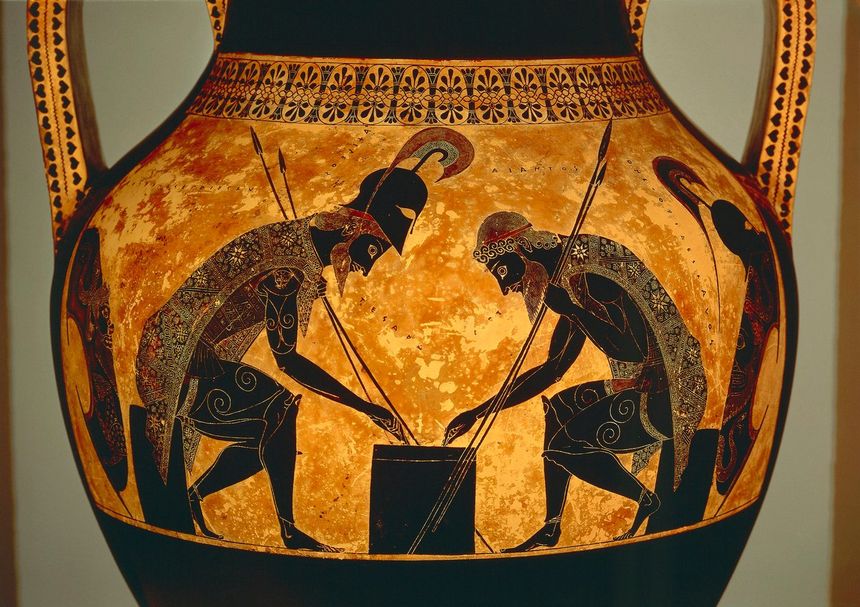
A aversão ao risco não é um traço do homo-oeconomicus, mas do homem em geral. O apetite para o risco, fundamental para o crescimento da civilização humana é um traço distinto de poucos homens. É seguro dizer que quando confrontados com a escolha entre grandes riscos e risco algum maioria dos homens de todas as épocas escolheria risco algum. Também escolheriam esforço algum.
Platão percebe essas diferenças e pensa em sua República como um local que distingue os homens por suas aptidões: os sábios, os guerreiros e os produtores. Os primeiros se destacam por sua ímpar capacidade de pensar o destino da sociedade, as consequências das decisões e, principalmente, por ordenar os desejos individuais em favor do melhor para a República. Os guerreiros, como se imagina, são os dispostos a correr riscos para formar o perímetro da sociedade — tanto fora quanto dentro dela — moldando pela força um estado de segurança e paz. Já os produtores são aqueles que, sem nenhuma das tendências anteriores, recebem da sociedade o dever de produzir protegidos pelos guerreiros e guiados pelos sábios. Para Platão a aristocracia não é apenas uma ideia, mas a manifestação física do que a própria palavra descrever: os melhores, os mais aptos: aristos (excelente) + kratos (governo).
A aristocracia se impõe porque a pressão civilizacional, as guerras e os riscos da sociedade antiga obrigam a aceitação e a seleção dos melhores para o governo. O risco existencial obriga a apuração da sociedade e o peso da isothymia (o desejo de ser visto como igual) é despejado no chão da mesma maneira que um explorador derruba tudo que tem ao ver uma onça — para correr mais leve, saltar mais alto, sobreviver. Sua vida depende de fazer mais e melhor; questões de ego simplesmente habitam um patamar inferior na pirâmide de Maslow.
O que Platão descreveu foi turbinado ao último nível por Aristóteles, que percebeu que no cumprimento das concupiscências humanas não haveria nenhuma felicidade. Em sua Ética a Nicômaco, O Filósofo — permito-me tratá-lo como tratou Santo Tomás — aprofunda a ideia de sabedoria como uma característica distinta e define a virtude como um comportamento que traz o bem. O que Aristóteles nota, entretanto, fica muito mais claro nas palavras de Salomão:
Tudo o que meus olhos desejaram não lhes recusei, nem privei meu coração de nenhuma alegria. Meu coração encontrava sua alegria no meu trabalho, e esse foi o fruto que dele tirei. Mas, quando me pus a considerar todas as obras de minhas mãos e o trabalho ao qual me tinha dado para fezê-las, vi que em tudo havia fugacidade e vento que passa. Nada há de proveitoso debaixo do sol. - Eclesiastes 2, 10-11
Tanto Salomão quanto Aristóteles percebem o poder atrativo do desejo humano e, ao cabo, sua incapacidade de trazer felicidade verdadeira. A mera submissão ao instinto, a vida inautêntica do homem natural, não tem possibilidade de organizar a sociedade. E pior: não tem a possibilidade de dar felicidade ao próprio homem, visto que o homem como ser distinto dos animais não pode viver plenamente se viver como um animal. A única felicidade distinta do homem, para Aristóteles, seria a busca do bem em conjunção com o exercício da razão, uma atividade que elevaria ao máximo tudo que o homem tem além dos animais — a razão e a consciência de si.
Mas Aristóteles também via o estado da maioria dos homens como um estado de escravidão. O homem que Platão submetia ao sábio e ao guerreiro por sua incapacidade de exercer a força e planejar Aristóteles submete ao mestre por sua incapacidade de se elevar além de si mesmo. Este é o homem-massa, aí, desde a antiguidade.
Ser e Tempo
O homem-massa, como bem denota Ortega y Gasset, é uma criatura distintamente indistinta. Tenho a impressão de que no meu ensaio anterior descrevi parte do espírito do homem massa na descrição das classes média e baixa: são criaturas que têm uma relação unilateral com o mundo, de apenas receber influências e reagir de maneira geralmente sobrevivencialista enquanto maximizam o prazer. Este tipo de caráter é perceptivelmente incompatível com o poder porque é muito distinto e aquém do que compreenderíamos como aristocracia a partir de Platão e Aristóteles.
Se “ser melhor” implica preservar sua interioridade e manifestá-la a partir de uma relação complexa com o mundo o homem-massa está ontologicamente afastado da aristocracia. A questão que resta é quais, afastados os comuns, são os homens que têm potencial para governar entre os melhores? A pressão do mundo em conflito fez, durante milhares de anos, o favor de revelar isto:
A matutina luz serena e fria,
as estrelas do pólo ja apartava;
quando na cruz o Filho de Maria,
amostrando-se a Afonso, o animava.
Ele, adorando quem lhe aparecia,
na fé todo inflamado, assim gritava:
“Aos infiéis, Senhor, aos infiéis,
e não a mim, que creio o que podeis!”

Com tal milagre os animos da gente
portuguesa inflamados, levantavam
por seu rei natural este excelente
príncipe, que do peito tanto amavam:
e diante do exército potente
dos inimigos, gritando o céu tocavam;
dizendo em alta voz: “Real, real,
por Afonso, alto Rei de Portugal.”
Os Lusíadas, Canto III, XLIV
Dom Afonso Henriques encarnava diversas virtudes que foram levadas ao extremo no ato de sua aclamação como Rei de Portugal. Por missão divina, por vocação militar, por prudência diplomática e voluntarismo político o rei se dava como uma imposição de sangue e ordem. O homem capaz de criar a paz e forjar a massa do mundo na ponta de sua espada se elevava diante dos outros, era o rei natural, a aristocracia por excelência, um tipo de homem que interage com o mundo de forma distinta e autêntica, e que carrega na sua vida o peso de seu destino final. Em confronto com a morte, forjado pelos espíritos do tempo e do mundo — zeitgeist e weltgeist — o ser —dasein —, emerge vitorioso na batalha pela existência. É desta categoria de onde saem os aristocratas.
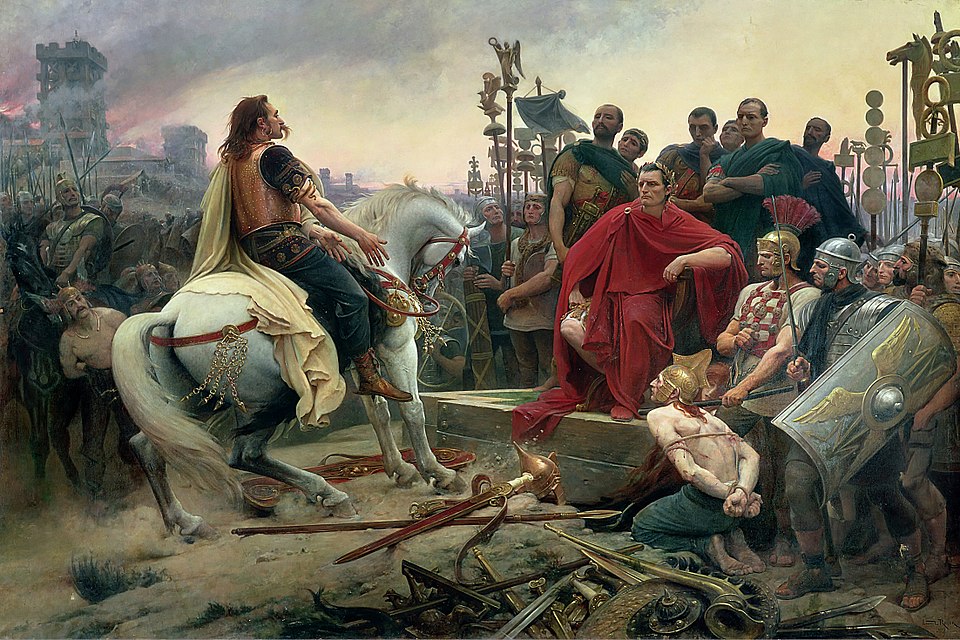
Heidegger, que nos emprestou a terminologia nesta seção, também percebe uma outra categocia de ser: inautêntico, impessoal, conformista e alienado. Para todo o mundo existem aqueles que são incapazes de compreender seu papel no mundo, o papel de sua era e sua relação com o passado e o futuro. O homem-massa é um conceito universal nominado de diversos nomes, mas que se refere sempre ao mesmo ente, a mesma agremiação de pessoas.
Lá e de volta outra vez
Mas nem tudo é mau na impessoalidade do homem-massa. No exercício das suas labutas diárias, na dedicação da vida, nos pequenos afazeres, os homens indistintos são distintamente inspiradores. O costume e a repetição podem ser vistos, como diria G.K. Chesterton, com indiferença ou admiração. Um homem sem grandes aspirações pode dizer que ama sua filha todos os dias, trabalhar todos os dias honestamente, ser fiel e caridoso todos os dias com a mesma insistência maravilhosamente mágica com que o Sol nasce todos os dias. Os sonhos comuns do homem comum só podem ser vistos na dimensão grandiosa que têm a partir de uma visão domesticada para o bem.
Eu sou um hobbit. Eu sei que não posso salvar a Terra-Média. Eu só quero ajudar meus amigos. — Merry, em O Retorno do Rei
Para construir uma catedral é necessário sonhar a catedral, mas depois é necessário assentar tijolo por tijolo. É a interação entre o poder dos “indistintos” e a visão dos autênticos que faz as coisas funcionarem. Em O Senhor dos Anéis J.R.R. Tolkien inseriu de maneira não muito sutil sua visão com relação a esta dinâmica. A missão de Gandalf, o Mago Cinzento, é o de inflamar os corações dos simples hobbits e guiar o surgimento de uma nova era por meio do exercício da nobreza e do valor.

Hobbits, descritos como criaturas simples e de poucos anseios, são levados pelo mago a realizar a maior das tarefas sem outro desejo que não preservar sua paz, acreditanto piamente na sabedoria que os guiou até assumirem a missão que estava muito além de seus poderes. Do outro lado o mago também guia um antigo nobre exilado de volta ao trono por meio de um teste de fogo em que este prova seu papel como primeiro entre os cidadãos — a origem do termo “príncipe”.
Voltando a me referir aos artigos dos colegas, entendo que aqui nossas ideias se encontram. O mundo de Tolkien enfrenta o mesmo problema que o mundo de hoje: a decadência. Sem entrar em detalhes do Legendarium, é importante comentar que o tempo dos elfos na Terra-Média estava acabando porque eles mesmos estavam perdendo a magia que os sustentara. Naquele tempo a raça dos homens já havia decaído. Aragorn, o descendente da antiga linhagem de reis de Númenor, era nada além de uma sombra de seus antepassados.
Aqui estamos neste contexto de decadência e miséria. Enfrentamos o peso da necessidade de seguir em frente esmagados pela herança de nossos antepassados. Suas vitórias nos oprimem, seus fracassos nos esmagam. Não somos Dom Afonso Henriques ou São Nuno Álvares, mas não podemos seguir sem eles. Somos herdeiros de sangue e de missão de uma vida como a de Aragorn, destinada a encontrar força no heroísmo e na herança histórica de nossos antepassados enquanto busca no futuro dinamismo e poder para retificar o que eles erraram — arriscando, por nossa vez, a cometer nossos próprios erros. O futuro preserva mistérios e surpresas, mas em nenhuma análise, hegeliana ou não, da história, vemos o passado ser abandonado.
Sir Lancelot
Robert Michels cunhou o termo “Lei de Ferro das Oligarquias”. Em linhas gerais, o sociólogo alemão percebia que os princípios das organizações, ao longo do tempo, tendiam a ser suplantados pelas ações que têm em vista a sobrevivência das própria organizações. Isto é, por exemplo: uma organização democrática se inicia visando a democracia, mas a partir de um tempo, dado o risco existencial e a necessidade de manutenção, começa a ter como princípio a própria existência — ela inicia de si para a democracia e termina de si para si.
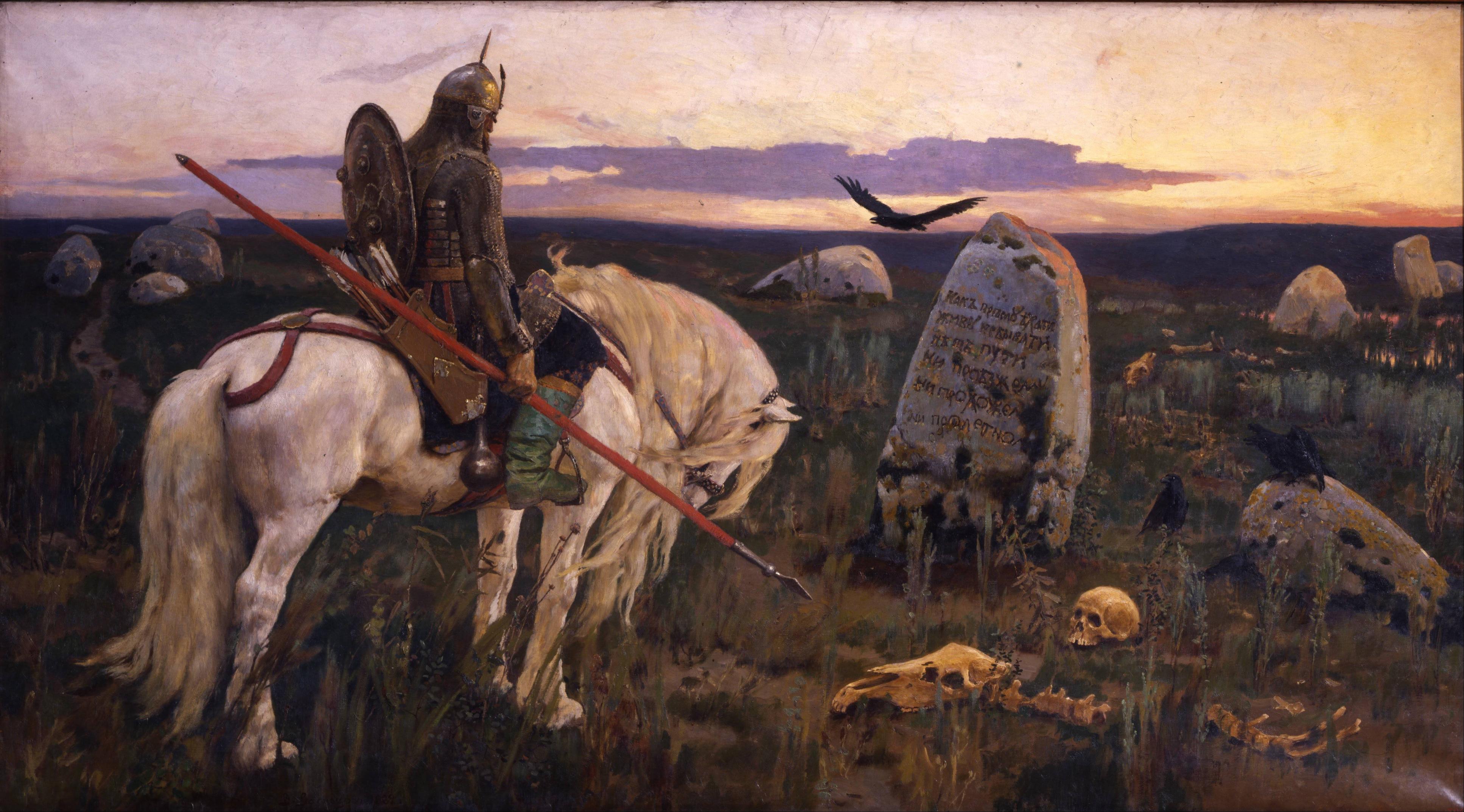
A aristocracia enfrentou a Lei de Ferro das Oligarquias. Com o príncipe subindo ao poder, começamos a ter de responder algumas questões: quem o sucederá? Com que legitimidade? Que garantia teremos de que guardará as mesmas virtudes? Neste cenário, algumas monarquias foram eletivas, outras familiares, trinas, unas e assim por diante. Em geral, o sangue fala mais alto e mesmo os melhores homens sucumbem à ideia de tentar manter o poder na sua família. A aristocracia virou uma oligarquia, e o traço do governo não é mais a distinção dos melhores, mas sim a concentração dos poucos. O Príncipe, de Nicolau Maquiavel, é um manual de como fazer a manutenção do poder, não de como ser um príncipe.
Mas se é possível maquinar pelo poder, isto implica que pode haver um aristocrata que o é por nome, mas não por mérito. Ele é de jus, mas não de facto. Sim, e foi na Idade Média que chegamos ao auge, ainda não superado, da ideia de como forjar um aristocrata, de como transformar a potência em um homem realmente distinto dos demais, capaz de inspirar as massas e exercer o poder com as virtudes alinhadas. Isto é o cavalheirismo, hoje tratado como uma generalização tosca de como um homem deve tratar uma mulher, é, na verdade, um manual de como um homem vive com a superioridade moral e intelectual necessária para exercer o poder com justiça e promover o bem comum.
O cavalheirismo tem paralelos em todo o mundo civilizado, no budismo e no hinduísmo, no taoismo, no islamismo e no judaismo. O equilíbrio entre a violência, a coragem, o medo e a sabedoria é a marca da elevação dos grandes, desde Sun Tsu até a Odisséia: existe uma virtude que destaca um homem que se eleva além dos outros. É isto que vamos chamar de cavalheirismo.
E o panorama moral em que o cavalheirismo se insere não foi eliminado com a modernidade. Muito pelo contrário, quanto mais se bestializa o homem massa, mais notamos que o algo de corrompido aponta para a existência de algo bom e puro capaz de expurgar os males e lavar as almas. Os feitos heróicos e os atos de bravura, os sacrifícios e os sonhos em todos os tempos, nos provam que de um conceito medieval é possível surgir algo atemporal, que é tão necessário entre homens e robôs quanto entre servos e senhores.
Neste sentido, discordo do Luiz. Não afirmo que olhar para o passado nos vai trazer todas as respostas, mas digo com confiança que não existe futuro sem a retomada da grandeza do homem. A guerra contra a bestialização do homem só pode ser vencida com a elevação do homem, e não há nada tão valioso quanto nosso repositório de milênios de anos de história para apontar um caminho seguro para nossas melhores virtudes.
Ao mesmo tempo, concordo com o o Luiz na medida em que entendo que é óbvio que acelerar os processos vai nos encaminhar para esta solução. Da mesma maneira que uma aristocracia se ergueu contra o domínio dos mouros no século XVIII, também uma deve ser erguer diante do impulsionamento infinito da eficiência robótica contra a fragilidade da humanidade em si. Essa urgência espiritual replica no plano transcendente a urgência imanente da ocupação e da guerra. Em algum momento o potencial de nossa vileza moral só poderá ser combatido pelo exercício da virtude. Isto é o surgimento de uma aristocracia.
Quando? Não sei. Sinto que nossa função é ser um cadinho, proteger em nossas mãos ideias já tão surradas e amuadas que hoje mal se reconhecem e se distinguem para que cheguem ao futuro prontas para inflamar os corações dos homens. Por que? “Talvez porque temos medo, e ‘isto’ nos dá coragem.”
Translated from the Portuguese original by the site. Switch to PT to read the author's text.
Last Friday I came across a piece by Daniel Macedo on democracy and the rise to power of Ortega y Gasset's mass-man. In short, in O Fim da Ilusão Democrática: A Rebelião das Massas e a Morte do Espírito (“The End of the Democratic Illusion: The Revolt of the Masses and the Death of the Spirit”), Daniel put forward the theory that democracy brings about the rise of the mass-man as the untamed master of the world, and that he will then carry out the dissolution of society as we know it in favor of one ever less given to virtue and ever more inclined to vice. For Daniel, the mass-man's march against human civilization can only be stopped by the rise of a new aristocracy that embodies higher values and rescues society from its sad fate.
Replying to Daniel, Luiz Lima wrote Uma Defesa Metafísica Da Modernidade (“A Metaphysical Defense of Modernity”), which in fact does not end in a defense of modernity but in an enthusiastic call for a “beyond-modernity” — since the term “postmodernity” is already taken. Against the link Daniel draws between past and aristocracy, he proposes a not very precise but hopeful idea: that the collapse of the end-of-history thesis opens the way for new human categories, especially one in which the “accelerated” man represents an aristocracy turbocharged by the brilliant world of machines.
I gather that, except for emphasis, there is perhaps little disagreement between the two. In the end, both understand, the new aristocracy must arise. Everything seems to revolve around reaction (or traditionalism) versus accelerationism: whether the solution will come from looking at the past or from racing toward the future. This is where I will step in.
The Republic
Ortega y Gasset can certainly be credited with the most precise and exhaustive description of the mass-man. However, the idea of a formless mass living in an individually indistinct way is old. In fact, it underlies the oldest criticisms of democracy. Socrates' Apology serves at least as a reminder of why democracy is so criticized by almost all ancient philosophers: man longs first and foremost to belong. On the horizon of the rawest human passions is the need to protect oneself, to grow the pack, to drive out threats.
Risk aversion is not a trait of homo oeconomicus but of man in general. An appetite for risk, fundamental to the growth of human civilization, is a distinctive trait of few men. It is safe to say that, faced with a choice between great risk and no risk at all, most men of every age would choose no risk. They would also choose no effort.
Plato perceives these differences and conceives his Republic as a place that sorts men by their aptitudes: the wise, the warriors and the producers. The first stand out for their unmatched capacity to think through the destiny of society and the consequences of decisions and, above all, to order individual desires toward what is best for the Republic. The warriors, as one would imagine, are those willing to take risks to form the perimeter of society — outside as well as inside — shaping by force a state of security and peace. The producers are those who, with neither of the previous inclinations, receive from society the duty to produce, protected by the warriors and guided by the wise. For Plato, aristocracy is not just an idea but the physical manifestation of what the word itself describes: the best, the fittest — aristos (excellent) + kratos (rule).
Aristocracy imposes itself because civilizational pressure, wars and the risks of ancient society force the acceptance and selection of the best to govern. Existential risk forces society to refine itself, and the weight of isothymia (the desire to be recognized as equal) is dumped on the ground the way an explorer drops everything he carries on seeing a jaguar — to run lighter, leap higher, survive. His life depends on doing more and better; matters of ego simply sit on a lower tier of Maslow's pyramid.
What Plato described was taken to the highest level by Aristotle, who saw that there would be no happiness in satisfying human appetites. In his Nicomachean Ethics, The Philosopher — I allow myself to call him as Saint Thomas did — deepens the idea of wisdom as a distinct characteristic and defines virtue as conduct that brings about the good. What Aristotle notes, however, is much clearer in the words of Solomon:
And whatsoever mine eyes desired I kept not from them, I withheld not my heart from any joy; for my heart rejoiced in all my labour: and this was my portion of all my labour. Then I looked on all the works that my hands had wrought, and on the labour that I had laboured to do: and, behold, all was vanity and vexation of spirit, and there was no profit under the sun. — Ecclesiastes 2:10–11 (KJV)
Both Solomon and Aristotle perceive the pull of human desire and, in the end, its inability to bring true happiness. Mere submission to instinct, the inauthentic life of natural man, cannot order society. Worse: it cannot make man himself happy, since man, as a being distinct from animals, cannot live fully if he lives like an animal. For Aristotle, the only happiness proper to man would be the pursuit of the good joined to the exercise of reason, an activity that would raise to the highest degree everything man has beyond the animals — reason and self-awareness.
But Aristotle also saw the condition of most men as a condition of slavery. The man whom Plato subordinated to the sage and the warrior for his inability to wield force and to plan, Aristotle subordinates to the master for his inability to rise beyond himself. Here is the mass-man, present since antiquity.
Being and Time
The mass-man, as Ortega y Gasset aptly points out, is a distinctly indistinct creature. I believe that in my previous essay I described part of the mass-man's spirit in describing the middle and lower classes: creatures with a one-way relationship to the world, merely receiving influences and reacting in a mostly survivalist manner while maximizing pleasure. This kind of character is noticeably incompatible with power, because it is very different from, and falls short of, what we would understand as aristocracy following Plato and Aristotle.
If “being better” means preserving one's inwardness and expressing it through a complex relationship with the world, the mass-man is ontologically removed from aristocracy. The question that remains is: once the common are set aside, which men have the potential to govern among the best? For thousands of years, the pressure of a world in conflict did us the favor of revealing it:
The serene, cold light of morning
was already parting the stars of the pole,
when on the cross the Son of Mary,
showing Himself to Afonso, gave him heart.
He, adoring the One who appeared to him,
all aflame with faith, cried out:
“To the infidels, Lord, to the infidels,
and not to me, who believe what You can do!”

With such a miracle the spirits of the
Portuguese, inflamed, raised up
as their natural king this excellent
prince, whom they loved with all their heart:
and before the mighty army
of their enemies, their shouts touched the sky,
saying aloud: “Royal, royal,
for Afonso, high King of Portugal.”
Camões, The Lusiads, Canto III, XLV–XLVI (our translation)
Dom Afonso Henriques embodied several virtues carried to their extreme in the act of his acclamation as King of Portugal. By divine mission, military vocation, diplomatic prudence and political will, the king offered himself as an imposition of blood and order. The man able to create peace and forge the stuff of the world at the point of his sword rose above the others; he was the natural king, aristocracy par excellence, a kind of man who engages the world in a distinct and authentic way and carries in his life the weight of his final destiny. Face to face with death, forged by the spirits of the age and of the world — Zeitgeist and Weltgeist — being — Dasein — emerges victorious in the battle for existence. It is from this category that aristocrats come.
Heidegger, who lent us the terminology in this section, also identifies another category of being: inauthentic, impersonal, conformist and alienated. Throughout the world there are those unable to understand their role in the world, the role of their age and their relationship to past and future. The mass-man is a universal concept known by many names, but it always refers to the same entity, the same gathering of people.
There and back again
But not everything is bad in the mass-man's impersonality. In their daily toil, in a life's dedication, in small chores, indistinct men are distinctly inspiring. Custom and repetition can be seen, as G.K. Chesterton would say, with indifference or with wonder. A man with no great aspirations can tell his daughter he loves her every day, work honestly every day, be faithful and charitable every day with the same wonderfully magical insistence with which the Sun rises every day. The common dreams of the common man can only be seen in their grand dimension through a vision tamed toward the good.
I'm a hobbit. I know I can't save Middle-earth. I just want to help my friends. — Merry, in The Return of the King
To build a cathedral one must dream the cathedral, but then one must lay it brick by brick. It is the interaction between the strength of the “indistinct” and the vision of the authentic that makes things work. In The Lord of the Rings, J.R.R. Tolkien wove in, not very subtly, his view of this dynamic. The mission of Gandalf the Grey is to kindle the hearts of simple hobbits and guide the dawn of a new age through the exercise of nobility and valor.
Hobbits, described as simple creatures of few desires, are led by the wizard to carry out the greatest of tasks with no other wish than to preserve their peace, trusting wholeheartedly in the wisdom that guided them until they took on a mission far beyond their powers. On the other side, the wizard also guides an ancient exiled noble back to the throne through a trial by fire in which he proves his role as first among citizens — the origin of the word “prince.”
Returning to my colleagues' articles, I believe this is where our ideas meet. Tolkien's world faces the same problem as today's: decadence. Without going into the details of the Legendarium, it is worth noting that the time of the elves in Middle-earth was ending because they themselves were losing the magic that had sustained them. By then the race of men had already declined. Aragorn, descendant of the ancient line of the kings of Númenor, was nothing but a shadow of his forefathers.
Here we are, in this context of decadence and misery. We bear the weight of having to move forward, crushed by the inheritance of our ancestors. Their victories oppress us, their failures crush us. We are not Dom Afonso Henriques or Saint Nuno Álvares, but we cannot go on without them. We are heirs, by blood and by mission, to a life like Aragorn's, destined to find strength in the heroism and historical inheritance of our forefathers while seeking in the future the dynamism and power to set right what they got wrong — risking, in turn, our own mistakes. The future holds mysteries and surprises, but in no analysis of history, Hegelian or not, do we see the past abandoned.
Sir Lancelot
Robert Michels coined the term “Iron Law of Oligarchy.” Broadly, the German sociologist saw that, over time, the principles of organizations tend to be supplanted by actions aimed at the survival of the organizations themselves. For example: a democratic organization begins with democracy as its aim, but at some point, given existential risk and the need to keep going, it begins to take its own existence as its principle — it starts out from itself toward democracy and ends up from itself toward itself.
Aristocracy ran into the Iron Law of Oligarchy. With the prince in power, some questions had to be answered: who will succeed him? With what legitimacy? What guarantee is there that he will keep the same virtues? In this scenario, some monarchies were elective, others hereditary, triple, single and so on. In general, blood speaks louder, and even the best men succumb to the idea of keeping power in their family. Aristocracy turned into oligarchy, and the mark of government is no longer the distinction of the best but the concentration in the few. Machiavelli's The Prince is a manual on how to maintain power, not on how to be a prince.
But if one can scheme for power, then there can be an aristocrat in name but not in merit. He is one de jure, but not de facto. Indeed, and it was in the Middle Ages that we reached the peak, still unsurpassed, of the idea of how to forge an aristocrat, of how to turn potential into a man truly distinct from the rest, able to inspire the masses and wield power with his virtues in order. This is chivalry — today treated as a crude generalization about how a man should treat a woman, but in fact a manual on how a man lives with the moral and intellectual superiority needed to exercise power justly and promote the common good.
Chivalry has parallels throughout the civilized world, in Buddhism and Hinduism, in Taoism, in Islam and in Judaism. The balance between violence, courage, fear and wisdom is the mark of the elevation of the great, from Sun Tzu to the Odyssey: there is a virtue that sets apart a man who rises above others. This is what we will call chivalry.
And the moral landscape in which chivalry is set was not wiped out by modernity. Quite the opposite: the more the mass-man is brutalized, the more we notice that something corrupted points to the existence of something good and pure, capable of purging evils and washing souls. Heroic deeds and acts of bravery, sacrifices and dreams in every age prove to us that from a medieval concept something timeless can arise, as necessary among men and robots as among serfs and lords.
In this sense, I disagree with Luiz. I do not claim that looking at the past will give us every answer, but I say with confidence that there is no future without recovering the greatness of man. The war against the brutalization of man can only be won by raising man up, and nothing is as valuable as our store of millennia of history for pointing to a safe path to our best virtues.
At the same time, I agree with Luiz insofar as I think it is obvious that accelerating these processes will lead us to that solution. Just as an aristocracy rose against the rule of the Moors in the eighteenth century, so too must one rise before the endless push of robotic efficiency against the frailty of humanity itself. This spiritual urgency mirrors, on the transcendent plane, the immanent urgency of occupation and war. At some point the potential of our moral baseness can only be fought by the exercise of virtue. That is the rise of an aristocracy.
When? I do not know. I feel our task is to be a crucible, to protect in our hands ideas so worn and battered that today they are barely recognized and told apart, so that they reach the future ready to kindle the hearts of men. Why? “Perhaps because we are afraid, and ‘this’ gives us courage.”